
HI, I’m Zukky.
While traveling through the Finnish countryside, you’ll often find yourself coming across horse farms or signs warning that “horses are crossing.” In Finland, horses are a deeply integrated part of daily life—so much so that you can find riding gear like boots and whips right in the local supermarket!
Curiosity led me to look into the Finnish equestrian scene, and I found a fascinating statistic: according to the Equestrian Federation of Finland (Suomen Ratsastajainliitto), 96% of riders in Finland are women (as of 2024). This is exceptionally high, even by global standards.
Furthermore, as of 2025, equestrian sports remain the only Olympic discipline where men and women compete on entirely equal terms under the same rules (a tradition that began at the 1952 Helsinki Games).
While riding today is a field where women’s presence is dominant, Western history tells a story of a much more restrictive past. For centuries, women faced immense social pressure and physical constraints just to enjoy a ride. In this article, I want to explore how women’s equestrian culture broke free from these societal shackles—focusing on the fascinating evolution of the side-saddle.
This is a deep dive driven by my personal curiosity about how fashion and function collided in the name of “elegance.”
Women and the Side-Saddle
What is a Side-Saddle?
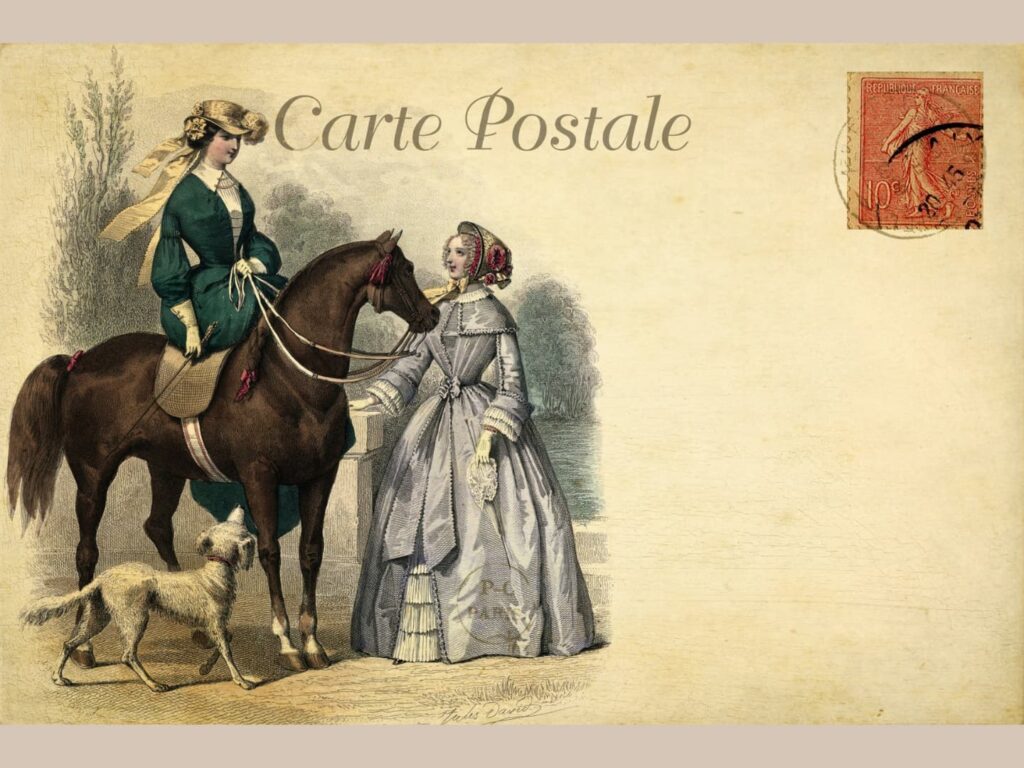
A side-saddle is a specialized saddle designed to allow women to sit with both legs on one side of the horse. This was created primarily so that women in skirts could ride without exposing their legs, maintaining the “modesty” required by public social norms.
A Brief History of the Side-Saddle
The origin of the side-saddle dates back to around 1400. Up until the early 14th century, women actually rode astride (one leg on each side), just like men.
The shift toward riding sideways began in the late 15th century, as long gowns became the mandatory formal attire for noblewomen. Initially, this was reserved for formal ceremonies, but as long skirts became common in everyday life, the saddle had to evolve. Riding sideways without a proper seat makes it incredibly easy to fall off.
By the 18th century, saddles featured two “pommels” (projections) to help secure the rider. Around 1830, a major breakthrough occurred with the invention of the “leaping horn,” a third pommel that allowed the left leg to be securely braced.
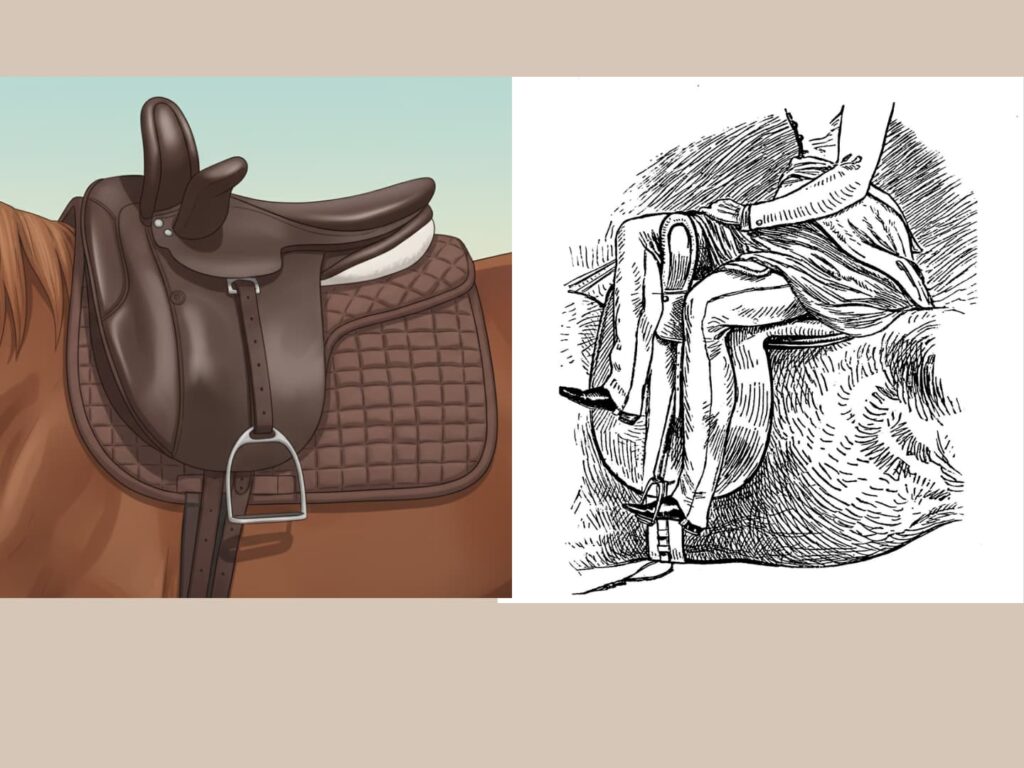
This evolution allowed women to gallop and even jump fences while sitting sideways. However, by the 1920s, this style began to fade away as society changed once again.
Interestingly, historical justifications for riding sideways were often based on pseudoscience. In the 17th century, riding master Winter Von Adlersflügel claimed that riding astride was a “leading cause of infertility” in women. I suspect such “reasons” were invented to justify a dangerous and uncomfortable riding style that served only to preserve social appearances.
The Feats of the Greats
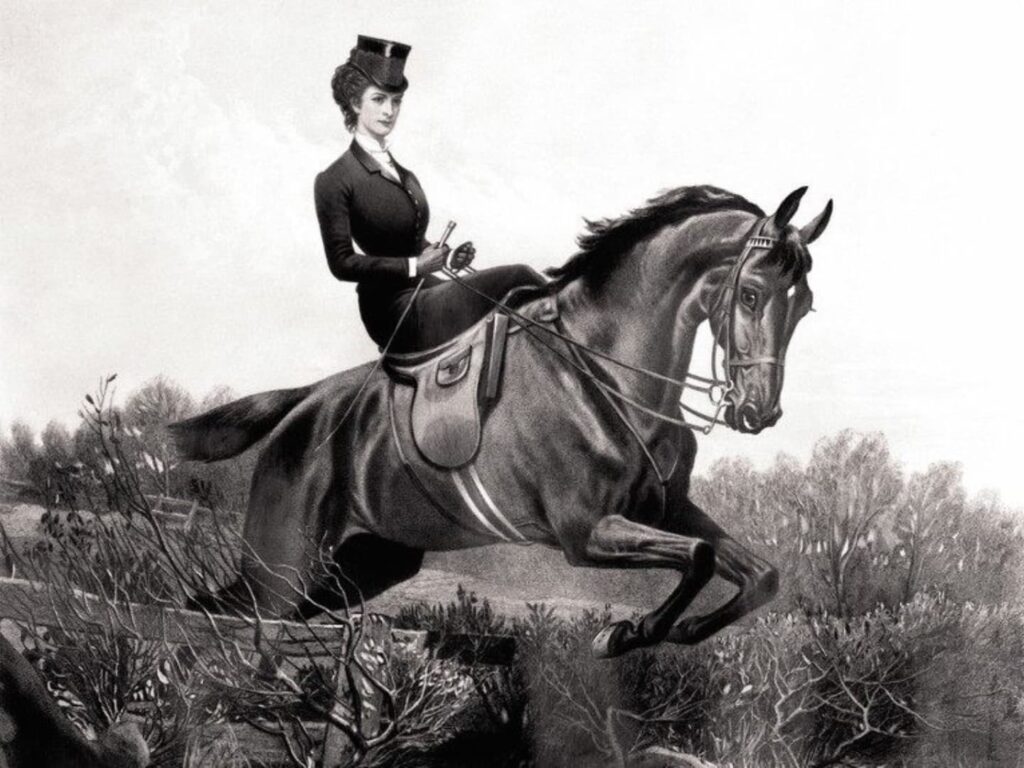
Looking at paintings of Empress Elisabeth of Austria (Sisi) jumping fences in a side-saddle, the elegance is undeniable. But from a modern perspective, jumping high fences without being able to grip the horse with both legs seems like madness!
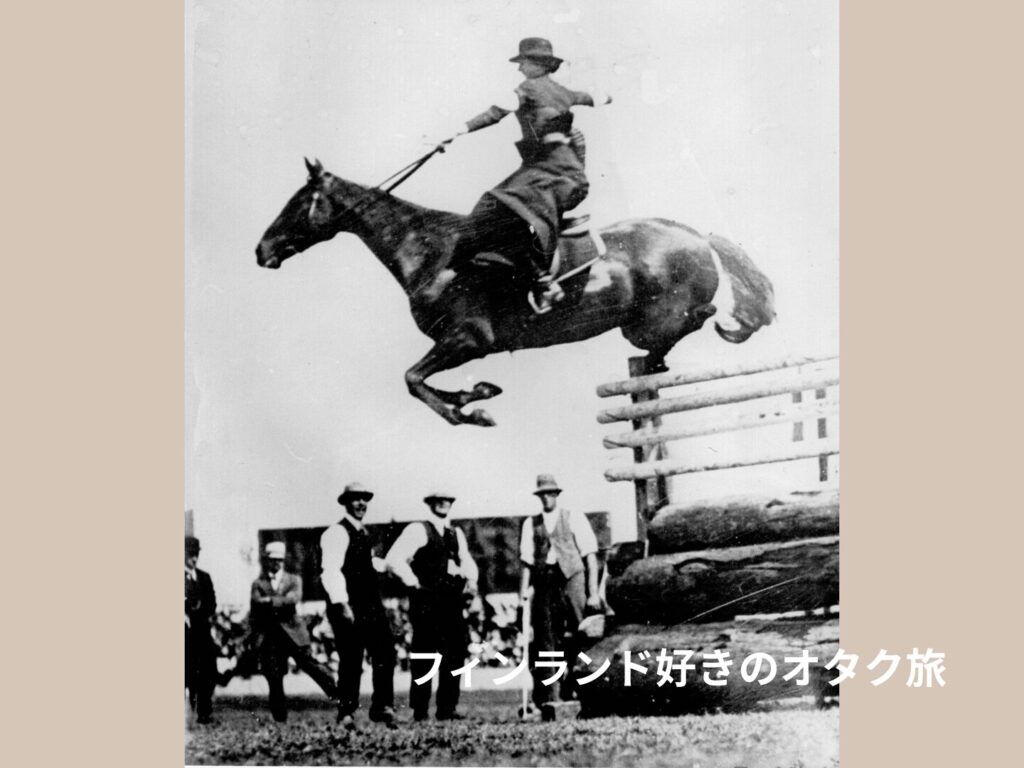
Even in 1915, photos of riders like Esther Stace clearing massive heights in a side-saddle leave me wondering: How did they not fall off?
Marie Antoinette: A History of Constraint
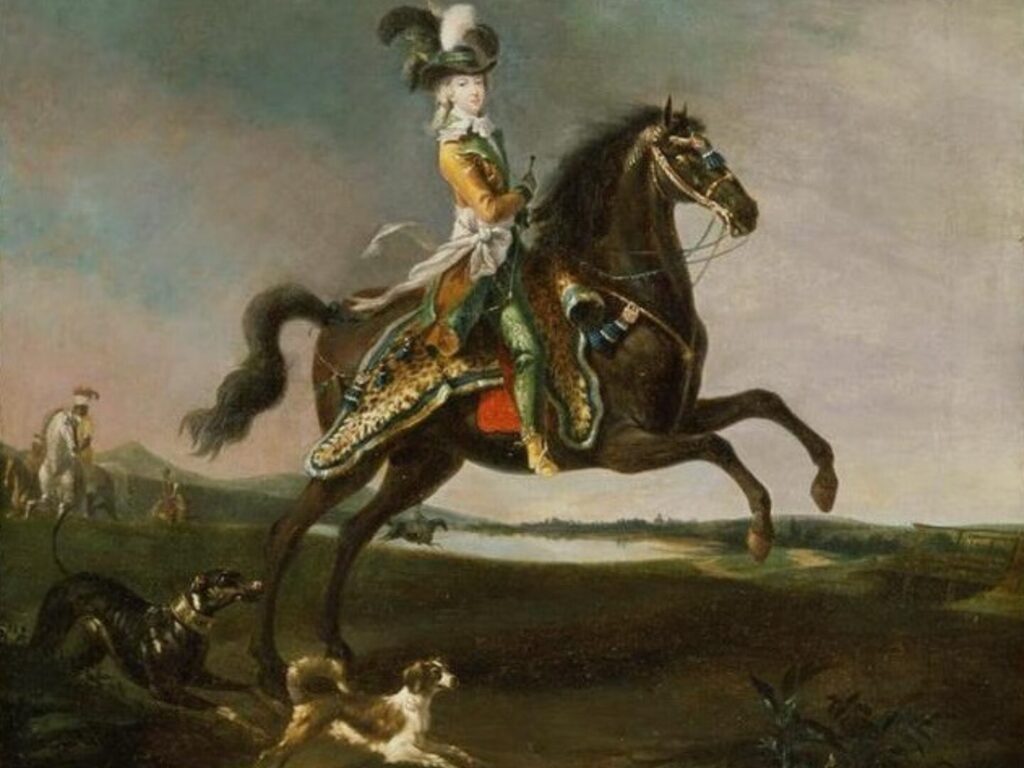
Marie Antoinette (1755–1793), the Queen of France and daughter of Maria Theresa of Austria, is famous for many things, but she was also a passionate equestrian.
In her era, the side-saddle was the absolute standard for a lady. However, Marie Antoinette was known to ride astride in breeches (trousers) while joining the hunting parties of Louis XV and Louis XVI. While this was far more practical, it was considered highly scandalous for a Queen to “split her legs” on a horse. She chose functionality over tradition, but she faced harsh criticism for stepping outside the “common sense” of her time.
The Evolution of Riding Habits
As riding became popular among the middle class in 19th-century Britain, the “riding habit” became a fashion statement. Photographers specialized in capturing women in their equestrian finery, and riding became a staple of resort travel.
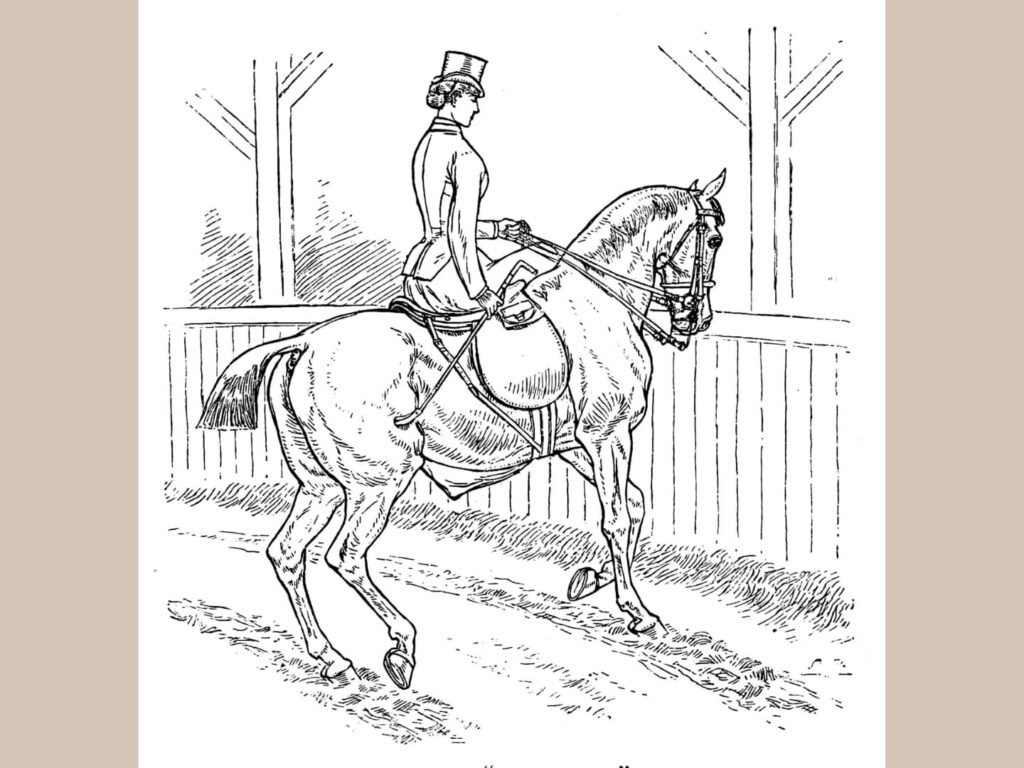
Fashion had to adapt to the side-saddle. “Safety skirts” and “apron skirts” were designed to prevent the fabric from getting caught on the pommels during a fall. By the early 1900s, “split skirts” (similar to hakama or culottes) appeared, finally making it possible for women to ride astride while appearing to wear a skirt.
In Britain, equestrianism was seen as a way to build character and discipline. Therefore, refusing to wear the “proper” attire was often dismissed as “poor taste.” It was a world of “cramped elegance.”
The Era of Coco Chanel: Liberation from Constraint
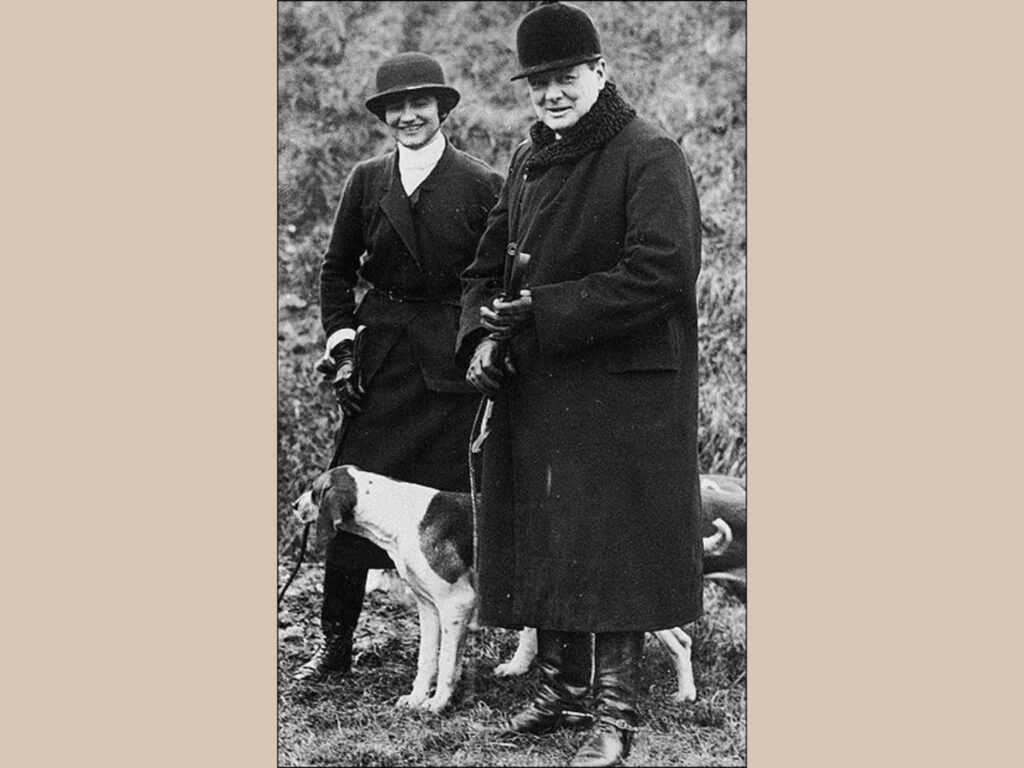
Gabrielle “Coco” Chanel (1883–1971) is a name synonymous with high fashion, but she was also an avid rider.
In her 20s, while living with Étienne Balsan, Chanel refused to accept the restrictive side-saddle skirts of the time. Instead, she borrowed men’s breeches and rode astride. This experience fundamentally shaped her design philosophy. Chanel advocated for women’s freedom through clothing. As quoted in Vogue:
“Men’s clothes are difficult to move in,” Chanel asserted. “That is to say, men do not design with comfort in mind.”
During the 1910s and 20s, as WWI forced women into the workforce, practicality began to outweigh ornamentation. Chanel’s vision of a “free woman” perfectly matched the needs of the era. The shift from the side-saddle to riding astride was not just a change in sports—it was a part of the larger movement of women being liberated from the “enforced femininity” of the past.
Women in Modern Equestrian Sports
Today, women ride in breeches, competing as equals with men in almost every equestrian discipline. As a fellow rider, I feel truly grateful that women are no longer bound by the side-saddle.

What do you think of this history of riding sideways? If you were a noble in the 1800s, would you have chosen the “elegance” of the side-saddle, or would you have followed Chanel and put on a pair of trousers?
I have immense respect for the women of the past who stayed true to their style and didn’t give in to the “common sense” of their era.
Until next time!
References
- Dr. Urlike Elisabeth Weiss & Claudia P. Pfeiffer “Sidesaddle1690-1935” National Sporting Library & Museum 2018
- Mead, T. H. (1887). Horsemanship for women. Harper & Bros..
- Aberdeen Archives, Gallery and Museums “Side Saddle Skirt and Breeches” 2025.12.17アクセス
- edwardianpromenade.com “Riding Side-Saddle” 2025.12.17アクセス
- Tatler “How the equestrian world inspired the designs of Coco Chanel“2025.12.17アクセス
- 『ヴォーグ・ファッション100年史』リンダ・ワトソン 2009 ブルース・インターアクションズ
- Wikipedia『ココ・シャネル』2025.12.17アクセス
- 『名画のプリンセス 拡大でみる60の衣生活事典』内村理奈著 2025 創元社
- 『メイド服とレインコート ブリティッシュ・ファッションの誕生』坂井妙子著 2019 勁草書房

コメント