When you see the aurora in person, many people are surprised, thinking, “Wait, this isn’t what I expected!”
While cameras capture a brilliant green, the color you actually see with your eyes can be white, indistinct, and cloud-like. Some people may have been disappointed, thinking, “Huh, it’s actually not that impressive.”
The truth is, this isn’t some photo trickery; it’s an issue with the human eye itself.
Introduction
If you read books about the aurora, you’ll find that the color people see varies from person to person.
なお、オーロラの写真で見られるようなとてもカラフルな色は、肉眼で同じように見えるとは限りません。個人差も大きく、とくに赤色のオーロラは、肉眼では認識しにくいとされています。
(Note that the vivid colors seen in aurora photographs are not necessarily the same as what is visible to the naked eye. There are significant individual differences, and red auroras, in particular, are said to be difficult to perceive with the naked eye. )
『一生に一度は見たい絶景の楽しみ方 オーロラ・ウォッチングガイド』赤祖父俊一 監修 2018 誠文堂新光社
When I read this passage, it immediately clicked for me! It brought back the memory of when I first saw the aurora.
Let me tell you about the first time I saw the aurora.
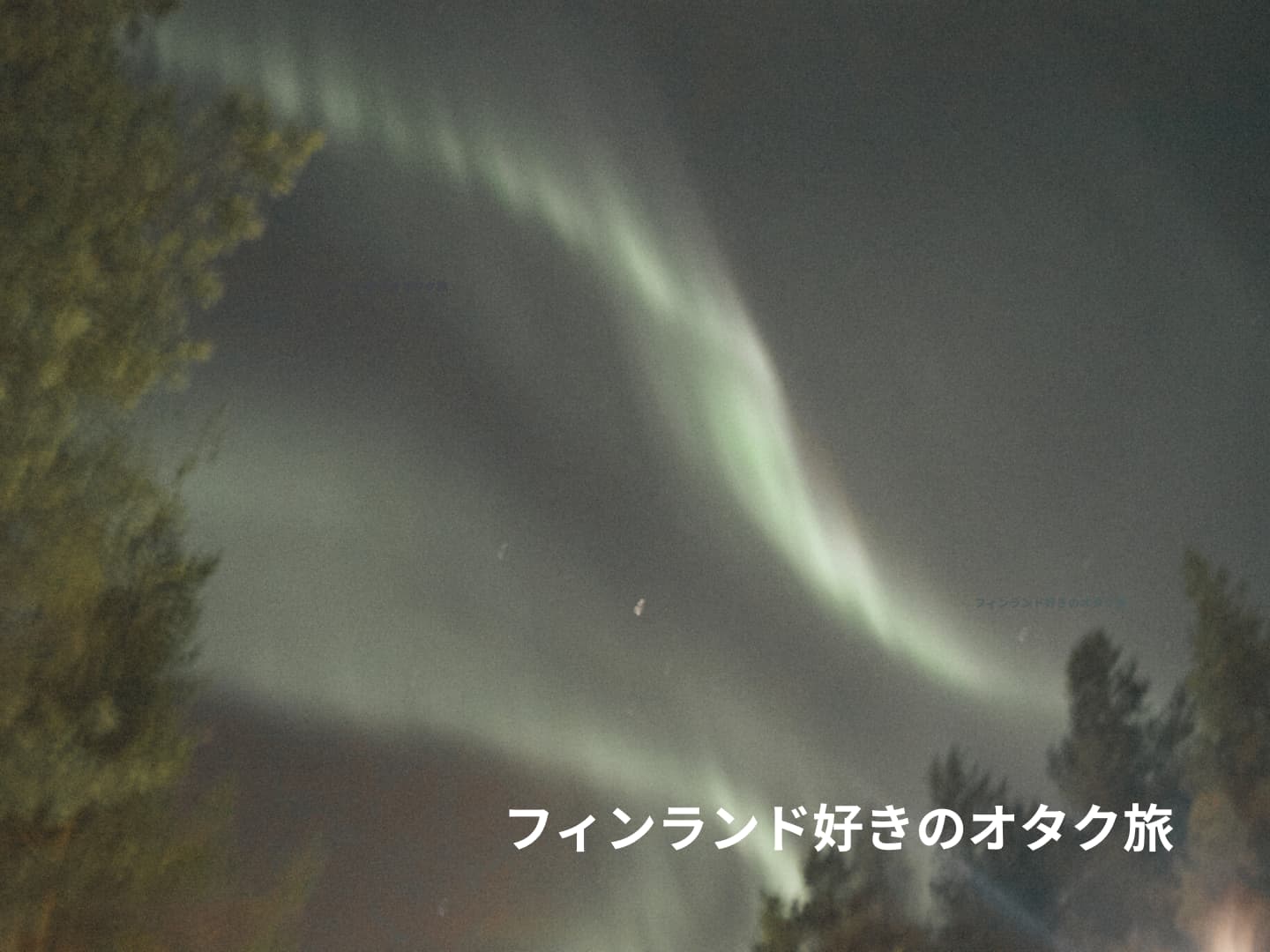
My Italian friend next to me, who was watching the aurora together, would point things out, saying, “Look, Zukky, there’s a reddish color coming out,” or “That part is green, and that part is pink!”
But I must have looked sullen.
To me, the aurora only looked whitish.
I wondered if my eyes were bad, or if my vision was strange.
“Is it possible my eyes can’t perceive colors properly??” I thought.
But when I spoke to other exchange students, some also said it looked like a “white haze,” which is how I learned that not being able to see the aurora’s colors well seems to be a common experience!
Discovering that such individual differences in aurora perception were clearly documented even in scientific literature made me feel happy somehow, knowing that “I wasn’t the only one.”
But why do some people see the colors, and others don’t?
The Mechanism of the Human Eye
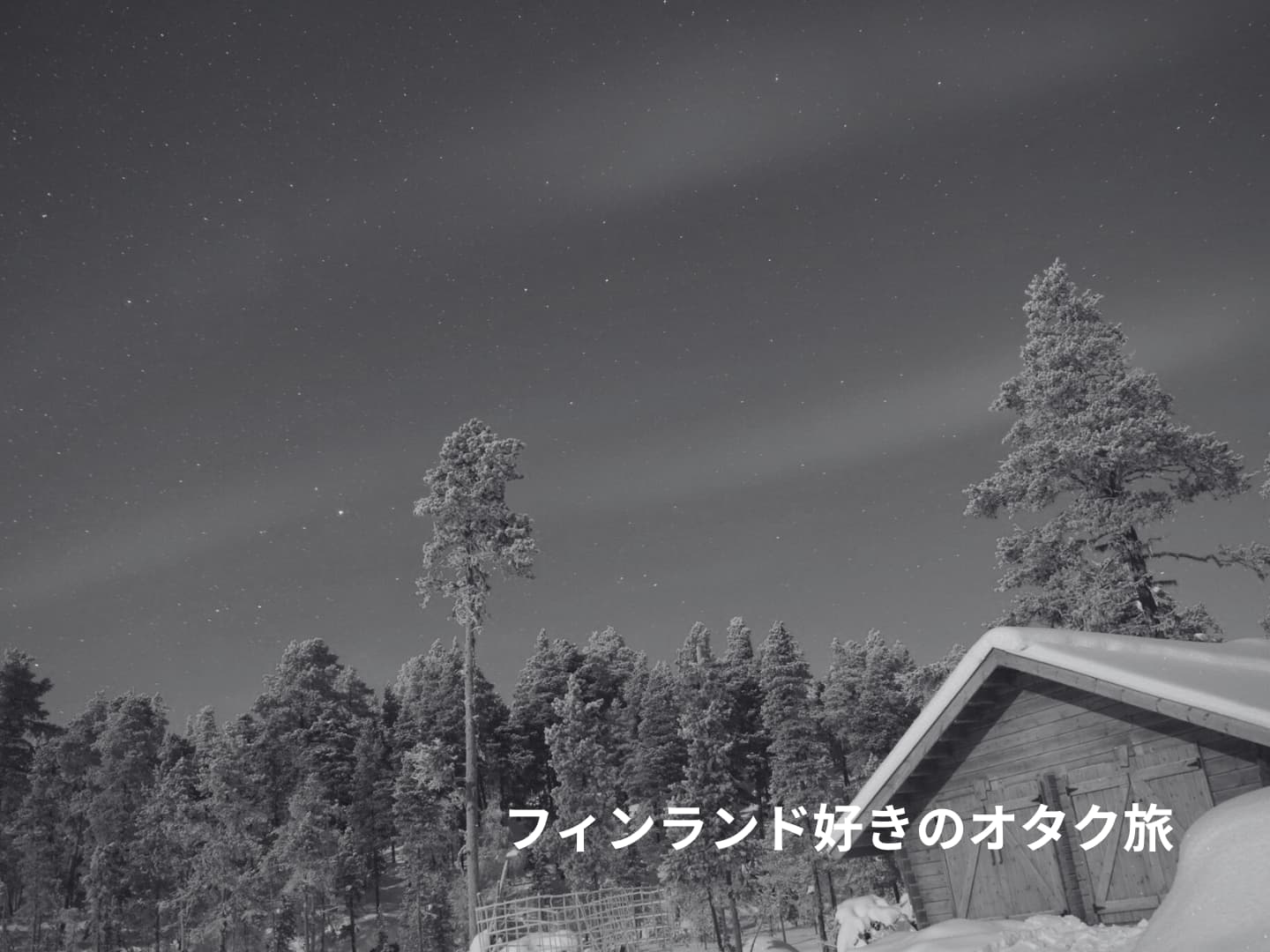
A faint aurora often looks just like a cloud.
Here’s an excerpt that explains this:
ぼんやりオーロラは、文字どおり薄くぼんやりしていて、慣れないうちは、現地では雲と間違えるかもしれません。薄暗くて、色も感じられません。人間の視神経は、ある程度の明るさのものでなければ、色を感じないようです。そのため、ぼんやりオーロラは、ほとんどの人には単に白っぽいオーロラに見えることでしょう。写真に撮ると、露出時間にもよりますが、薄いグリーンに写っていることが多いようです。
(A faint aurora is, literally, pale and indistinct. If you’re not used to it, you might mistake it for a cloud. It’s dim, and you can’t perceive its color. It seems that the human optic nerve only perceives color with a certain level of brightness. Therefore, a faint aurora will appear to most people as simply a whitish aurora. When photographed, it often appears as a light green, depending on the exposure time.)
『オーロラの科学 人はなぜオーロラにひかれるのか』上出洋介 2010 誠文堂新光社
The reason it looks like a cloud is right here. It appears to be an issue with the optic nerve. This means we can figure out why the colors aren’t visible by looking into the structure of the human eye.
In fact, the answer is found in biology textbooks.
The reason the aurora’s colors don’t appear as they do in photos lies in the mechanism of the optic nerve. Inside the eye are photoreceptor cells called visual cells. There are two types of visual cells: cone cells (suitaisaibou) and rod cells(kantaisaibou).
- Cone cells: Cells that identify color. They primarily function under bright light.
- Rod cells: Cells that identify the intensity of light (brightness and darkness). They primarily function under weak light.
In other words, under bright light, the cone cells work best, allowing us to perceive color. Conversely, under weak light, the activity of the cone cells becomes extremely low, making color identification difficult. Furthermore, there seem to be individual differences in the color-identifying ability of these cone cells.
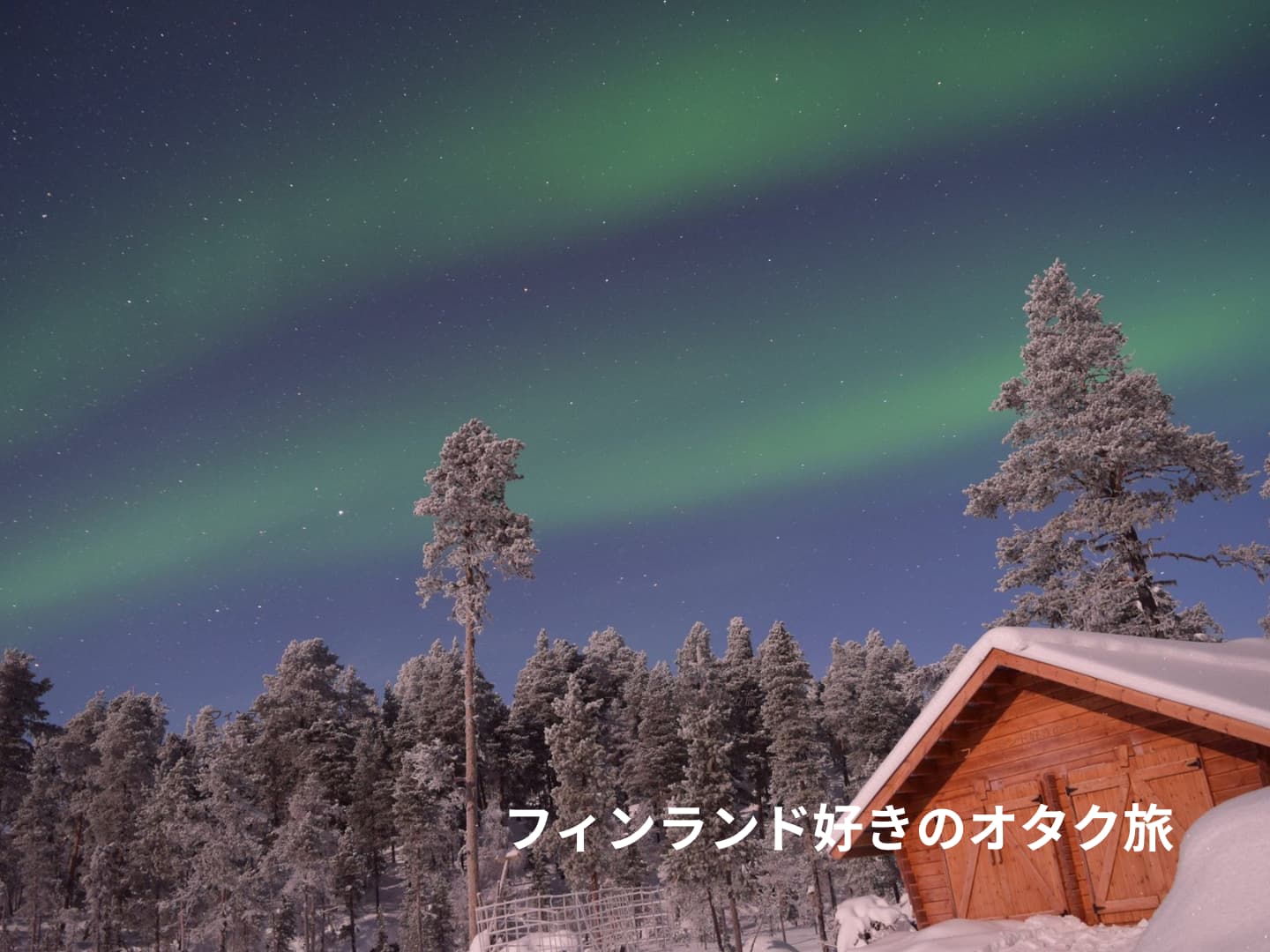
Therefore, when the aurora’s light is weak, it can appear as a white haze, and some people may see color while others may not.
The Phenomenon of Things Appearing Black and White in the Dark
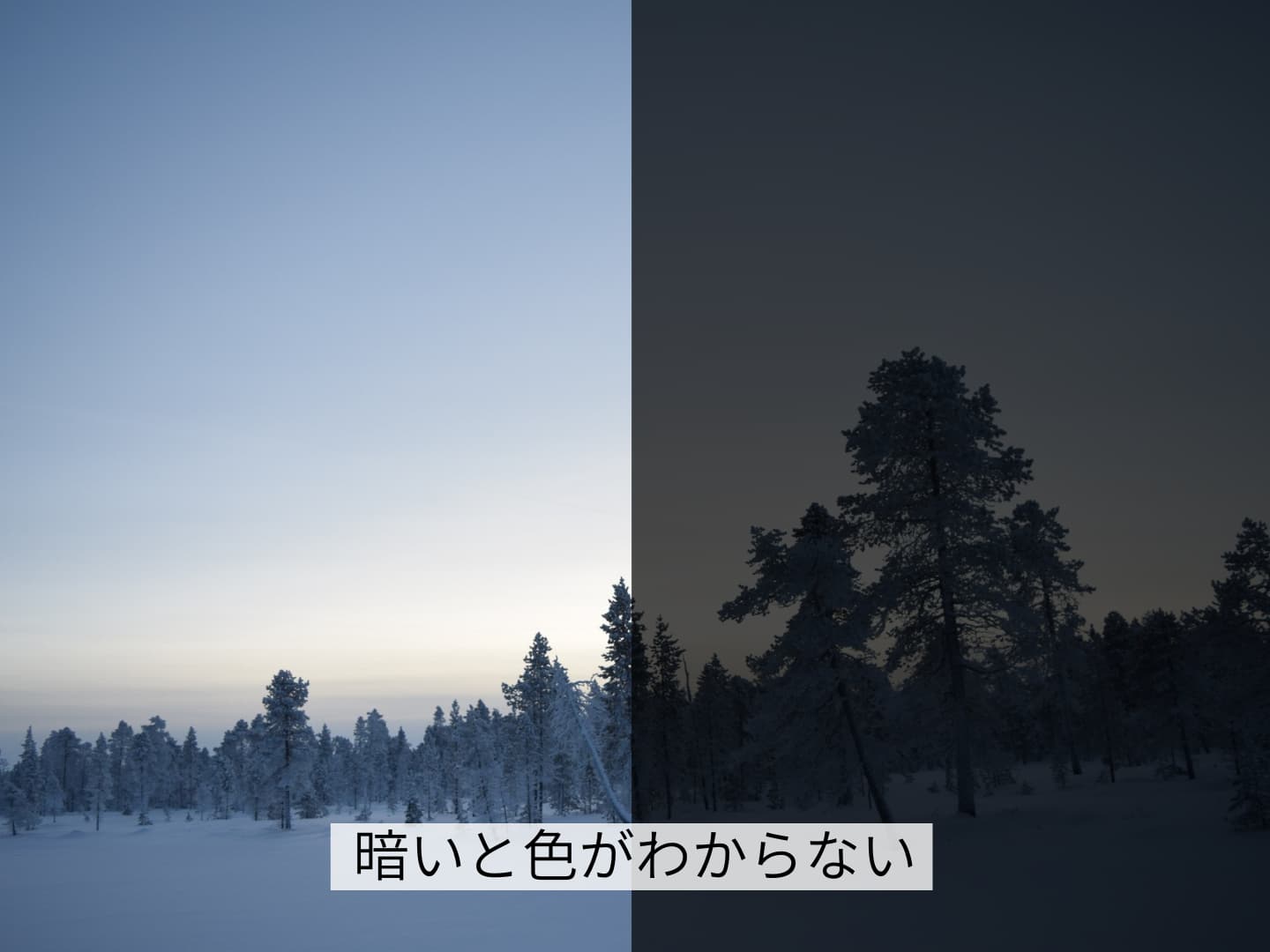
This might all sound theoretical, but many people may not be able to visualize it. In fact, this is a phenomenon you experience in your daily life.
Imagine a darkened room before you go to sleep. Or, think about when you suddenly wake up at night and need to use the restroom. The scene you see in the room is a monochrome of black and white. Colors don’t look as vibrant as they do during the day.
That’s because there isn’t enough light, and the cone cells, which are used for color identification, don’t function.
Why the Aurora Looks Like a White Haze
The same thing happens with the aurora. The aurora is a light emission phenomenon that occurs over 100 km above the ground. By the time the light reaches the earth’s surface, it has been attenuated (reduced).
As a result, the rod cells, which work even in the dark, can distinguish between light and dark. However, if the aurora’s light is too weak, the cone cells don’t function sufficiently, so you cannot distinguish the colors.
- Eye Structure: The human retina has two types of photoreceptor cells: cone cells for identifying color and rod cells for identifying the intensity of light (brightness/darkness). Cone cells work in bright light and recognize color, while rod cells can detect even faint light in the dark but cannot identify color.
- Weak Light: Light from a great distance is greatly attenuated by the time it reaches Earth, becoming very weak. Although the aurora’s light itself has color, the weak, attenuated light cannot sufficiently stimulate the cone cellsresponsible for color identification. As a result, only the rod cells—which work in the dark—react, making the aurora appear as a white haze.
So, how can you see the colored aurora with the naked eye, even if it’s not as vibrant as in photographs?
How to See the Colored Aurora with the Naked Eye
There are three possible ways to see the colored aurora:
- See a bright aurora (just luck).
- Be fully dark-adapted (slightly increase your chances).
- Believe the aurora has color (harness the power of your brain).
Can You Identify Color if the Aurora is Brighter?
If you’ve read this far, you’ve probably figured it out: the biggest issue is that the aurora’s light is too weak. In other words, it’s all the aurora’s fault!
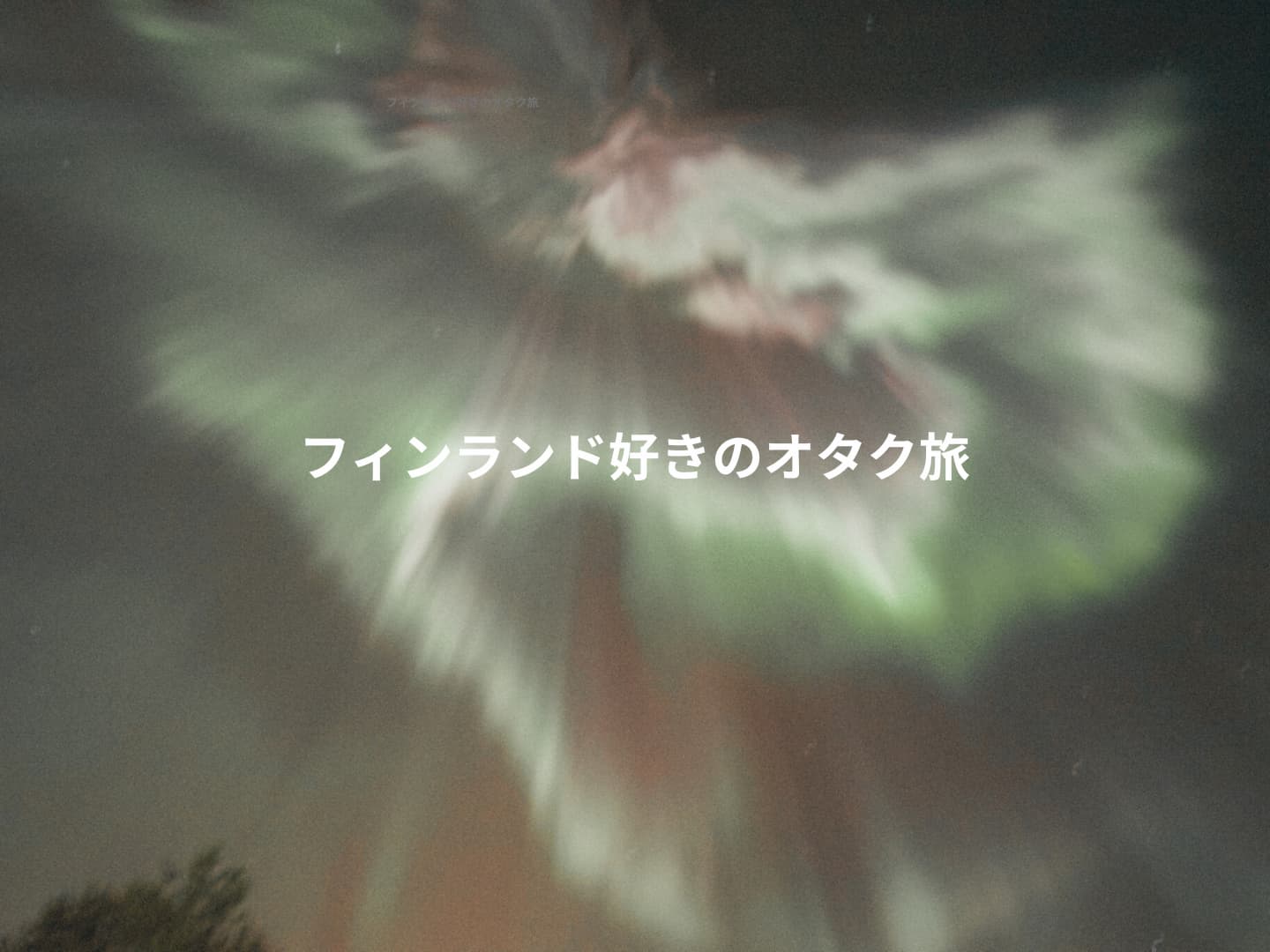
But the aurora isn’t always faint. Sometimes it’s bright and active. Apparently, though rarely, it can be as bright as a full moon. The brighter it is, the higher the possibility of seeing a colored aurora.
However, whether you see such a bright aurora is a matter of luck. Even aurora researchers rarely see one that bright.
That said, luck here means probability. You can increase your chances. If you want to see one in Finland, go as far north as you can. And if you don’t succeed, you just have to try again and again. Your persistence will lead to an opportunity to see a colored aurora.
Dark-Adapt Properly to See the Aurora
The process of the human eye becoming capable of seeing things in the dark is called dark adaptation. It takes about 30 minutes for your eyes to dark-adapt and maximize your vision in the darkness.
Viewing the aurora in this state significantly increases the possibility of seeing it clearly. Since the aurora itself emits light, it’s important to be in a state where your eyes are sensitive to even faint light through dark adaptation, making color recognition slightly more possible.
Even light from streetlights or your phone can break the dark adaptation, so if you are serious about seeing the aurora’s colors, you should avoid using your phone.
Believe the Aurora Has Color
The human brain is incredibly capable and compensates for color internally. This compensation works especially strongly in the dark.
There was a famous global debate a while ago about whether a certain dress (dubbed “the dress”) looked like a combination of blue and black or white and gold. The colors people see can differ that much.
In other words, color is heavily influenced by human perception. Maybe you are just conditioned to think it’s white—if you look closely, you might see the colors!
Summary
How was that?
- The aurora can sometimes appear as a white haze.
- This is because the aurora’s light is too weak for the cone cells (which identify color) to fully function.
- If you want to see the aurora’s colors, it’s recommended to dark-adapt for about 30 minutes in the darkness!
- It’s also important to believe the aurora has color!
- If you still can’t see the color, you should go aurora hunting again!
Next time you go to see the aurora, pray for a bright display. Be sure to try as many times as it takes until you can see the color.
I don’t have the money! When can I go next?! (ó﹏ò。)
Complete Aurora Borealis Guide
References
- 『一生に一度は見たい絶景の楽しみ方 オーロラ・ウォッチングガイド』赤祖父俊一 監修 2018 誠文堂新光社
- 『オーロラの科学 人はなぜオーロラにひかれるのか』上出洋介 2010 誠文堂新光社
- 『オーロラ・ウォッチング オーロラに会いにいこう』上出洋介 監修 2005 誠文堂新光社
- 『大森徹の最強講義117講 生物I・II』大森徹 2009 文英堂
- 『「色のふしぎ」と不思議な社会 2020年代の「色覚」原論』川端裕人 2020 筑摩書房


コメント